
Life Beyond Four Walls: Why Open Spaces Matter In Community Living
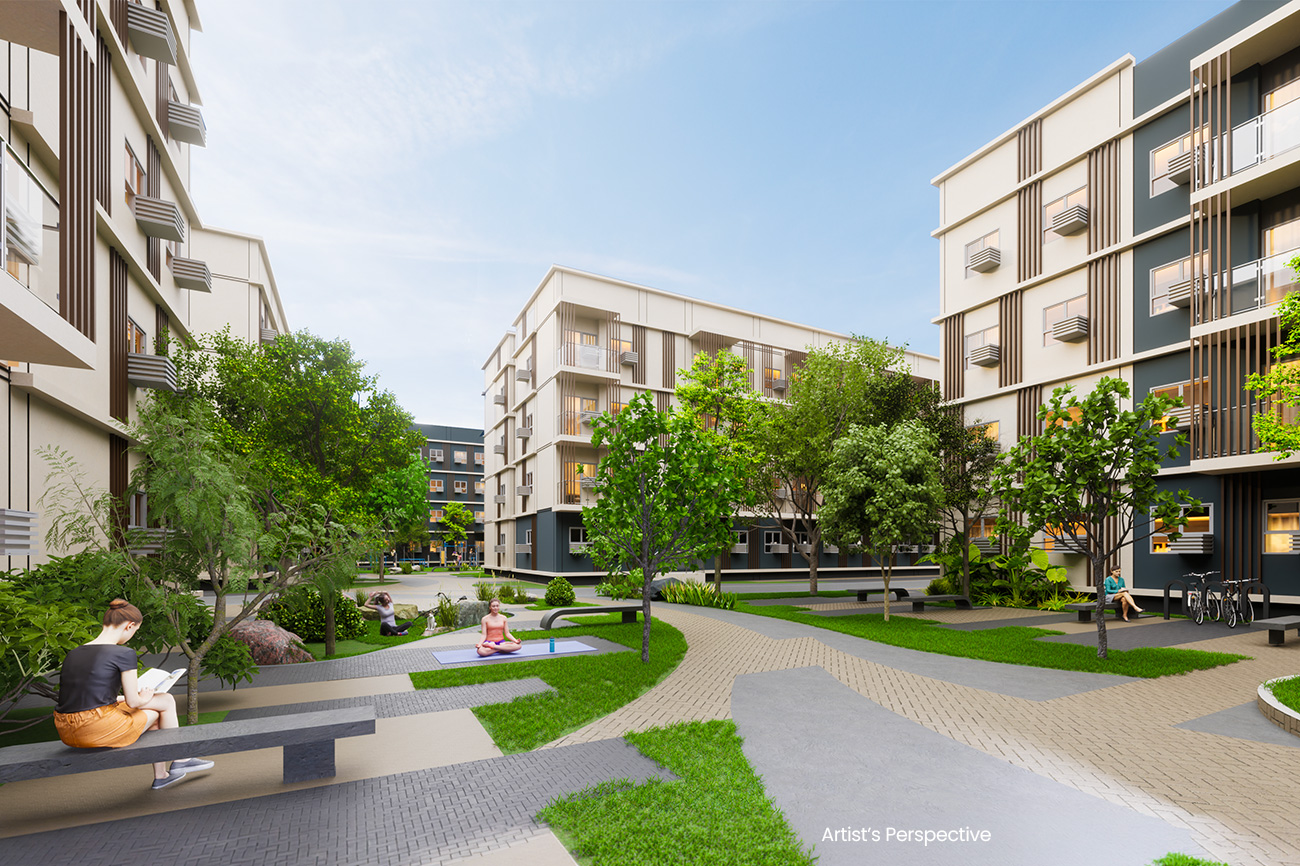
Imagine a peaceful morning just after sunrise, as the community gently comes to life. Residents enjoy their daily strolls along the walking paths, a father patiently teaches his young daughter how to ride a bicycle, young professionals settle into outdoor workspaces with coffee in hand, and Kapitbahays exchange warm smiles and cheerful greetings as they cross paths.
These simple, everyday moments, when put together, define what community living is all about. Now, picture experiencing them within a condominium community.
Today, choosing a home is no longer just about the size of a unit or its interior finishes. More homebuyers are seeking convenient living in communities that offer opportunities to enjoy life beyond their front door. They want places where they can breathe, connect with others, stay active, and find moments of calm amidst the demands of everyday life.
That is where thoughtfully designed open spaces make all the difference.
Third Space: More Than Green Spaces
A third space is more than just an open or green area. It is a shared place beyond the home and workplace where people can connect, relax, and build relationships. While long associated with horizontal communities, thoughtfully designed third spaces are now becoming an important feature of condominium living.
Landscaped walkways, pocket parks, and shaded seating areas encourage residents to meet, unwind, and enjoy everyday moments together. More than amenities, these spaces help foster a stronger sense of community and make condo living feel more connected and welcoming.
Everyday Wellness Within Reach
Being in a home near parks, gardens, and pedestrian-friendly pathways makes it easier to incorporate movement into daily life. Children have safe outdoor places to play just steps from their units, while older family members can enjoy peaceful walks surrounded by greenery.
Access to open spaces supports emotional well-being. Spending time outdoors, even for a few minutes each day, offers a welcome opportunity to disconnect from screens, reduce stress, and recharge.
Spaces That Adapt to Modern Living
As flexible work arrangements become more common, outdoor workspaces provide residents with an alternative to working indoors all day. These shared spaces become natural extensions of the home, supporting different lifestyles while giving residents more ways to enjoy their surroundings.
Designed Around People
At Westwind, open spaces are thoughtfully integrated into the neighborhood, creating inviting areas where residents can gather, stay active, unwind, and enjoy nature. Beyond its own landscaped parks and green areas, Westwind's strategic location within Lancaster provides residents with convenient access to its open spaces, tree-lined walkways, and lifestyle destinations found across the entire township. This seamless connectivity allows families to enjoy not only the comforts of their own community but also the wider network of greeneries and commercial hubs nearby—supporting a well-rounded lifestyle centered on wellness, convenience, and meaningful community connections.
Frequently Asked Questions
Why are open spaces important in a residential community?
Open spaces provide residents with areas for recreation, relaxation, exercise, and social interaction. They help create healthier lifestyles while encouraging stronger relationships among neighbors, making communities more vibrant and connected.
How do open spaces improve community living?
Shared outdoor spaces naturally bring people together through everyday activities such as walking, jogging, cycling, or simply enjoying time outdoors. These regular interactions foster a greater sense of belonging and help build lasting community connections.
Why are walkable communities becoming more popular?
Walkable communities make it easier for residents to stay active, reduce dependence on vehicles for short trips, and enjoy greater access to shared amenities and green spaces. They promote convenience, healthier lifestyles, and a stronger sense of community.